
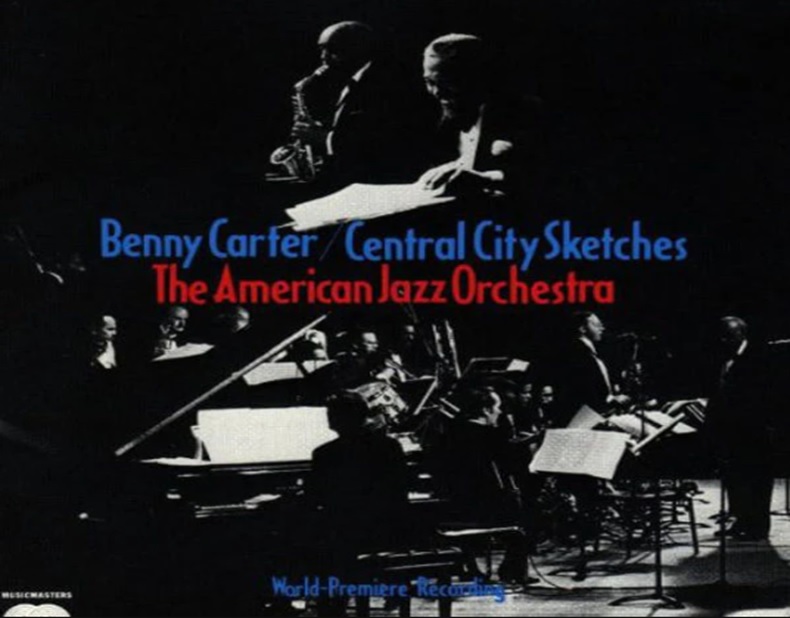
Few names in jazz hold as much weight or grace as Benny Carter. Known for his impeccable tone, refined phrasing, and unmatched musical versatility, Carter’s work spans nearly the entire history of jazz. While many modern listeners rely on digital platforms for access to classic recordings, true aficionados know the importance of physical collections—especially those carefully curated by trusted institutions. One such example is the Musical Heritage Society’s collection of Benny Carter Jazz Heritage Society Recordings.
Join us as we take a deep dive into this impressive collection. It’s a review of what makes it valuable, both musically and historically, and why it continues to attract jazz collectors, vinyl lovers, and swing-era scholars. Whether you are discovering Benny Carter for the first time or revisiting an old favorite, here’s what you need to know.
Who Was Benny Carter? A Jazz Icon’s Legacy
Benny Carter was not just a saxophonist—he was a conductor, composer, arranger, bandleader, and multi-instrumentalist. He emerged in the 1920s as part of Harlem’s golden era of jazz and quickly developed a reputation for smooth phrasing, clarity, and balance. His arrangements were sophisticated without being stiff. He made complex compositions feel effortless.
Carter contributed significantly to the big band sound of the swing era. His early work with Fletcher Henderson and his own orchestra helped shape the structure and polish that would define swing. Later collaborations included legends like Coleman Hawkins, Count Basie, Dizzy Gillespie, and Ella Fitzgerald.
He was also a trailblazer in many senses. As one of the few African American musicians who arranged for both Black and white bands, Carter helped break down racial barriers in jazz and studio work. He remained relevant for more than seven decades, from the early 1930s well into the 1990s, earning Grammy awards, a National Medal of Arts, and a place in the Jazz Hall of Fame.
Carter’s style was never about flash. It was about elegance, precision, and beauty. That timeless quality is exactly what defines the collection offered through the Musical Heritage Society.
The Musical Heritage Society’s Role in Preserving Jazz
The Musical Heritage Society has built a reputation around offering rare and high-quality recordings that don’t always find their way into mainstream circulation. Their mission centers around cultural preservation and musical excellence. While their catalog covers everything from European classical to world music, their jazz offerings remain among the most coveted by serious collectors.
The Jazz Heritage Society was an extension of this mission, focused specifically on iconic and underrepresented jazz recordings. Instead of competing with major record labels, they focused on providing limited-edition, audiophile-grade pressings curated with care and scholarship. Their vinyl albums often included extensive liner notes, thoughtfully chosen track selections, and archival-quality audio.
For listeners who value depth, the Musical Heritage Society offered a more thoughtful way to build a jazz library. These were not albums for background noise. They were meant to be read, heard, studied, and appreciated with full attention. The Benny Carter collection fits seamlessly into that mold and expands it with grace.
Deep Dive into the Benny Carter Collection
The Benny Carter Jazz Heritage Society Recordings represent a curated look at one of jazz’s most enduring voices. This collection isn’t about one album or a single performance. It’s a cross-section of Carter’s work across different eras, styles, and ensemble types.
Several records in the collection showcase his saxophone work in small group settings. These feature clean, elegant solos, perfectly constructed phrases, and rhythm sections that allow Carter the space to speak through his instrument. Other albums focus more on big band arrangements, where Carter’s skills as an arranger take the spotlight.
The performances are steeped in tone and technique. Whether you’re listening to an interpretation of a standard like “Body and Soul” or one of Carter’s original compositions, you’ll find a balance of spontaneity and control. He rarely overplays. Instead, every note feels earned, and every pause carries weight.
What sets this collection apart is its diversity. Listeners can expect to find recordings that cover swing, post-swing, and ballad-driven styles. There are moments of upbeat celebration and others of quiet intimacy. Each album presents a different facet of Carter’s genius.
For collectors, the inclusion of guest artists and previously hard-to-find live recordings adds more value. From the rich brass of ensemble tracks to the soft interplay of ballads, this collection is a complete portrait of an artist who never stopped evolving.
Why These Recordings Matter to Jazz Collectors
Jazz collectors aren’t just looking for good music. They’re looking for historical moments frozen in time. The Benny Carter collection curated by the Musical Heritage Society does exactly that. It captures Carter in a way that reflects not only his musical ability but his role in shaping American music.
Collectors value rarity, and many of these recordings are not easily found in other formats. Limited runs and quality pressing standards make these albums both functional and collectible. Unlike mass-produced records, these carry the marks of intention and care.
They also represent a time when Carter was reflecting on a lifetime in jazz, bringing wisdom and maturity to every note. His solos during this period are less about technical fireworks and more about storytelling. For those building a comprehensive jazz library, this collection fills in important gaps between Carter’s early and late work.
Then there’s the emotional draw. Holding one of these records, with its clean design and detailed notes, creates a connection to the music that streaming cannot offer. It’s not just about owning the music. It’s about owning a piece of cultural history.
Sound Quality, Packaging, and Vinyl Appeal
The Musical Heritage Society didn’t cut corners on sound. These pressings are known for their audio fidelity, with careful mastering that preserves the dynamics of the original performances. The vinyl is thick and quiet, minimizing surface noise and allowing the listener to hear every subtle nuance in Carter’s phrasing.
Whether you are listening on a modern setup or a vintage turntable, the clarity is notable. The recording space feels open. Instruments have their own place in the stereo field, and Carter’s alto saxophone sings with warmth and focus.
Packaging is simple but elegant. Covers often feature black-and-white photos, minimalist typography, and detailed liner notes that provide background on each session. These aren’t flashy or loud. They feel archival, as if designed for someone who wants to truly understand what they’re listening to.
Collectors appreciate that the aesthetic choices reflect the tone of the music itself. It’s respectful, timeless, and informative.
Where This Collection Fits in Benny Carter’s Discography
Benny Carter’s career was so extensive that his discography can be overwhelming. He recorded with major labels, toured globally, and composed across decades. The recordings found in this collection come from a later phase of his life, where technical skill met emotional depth.
Unlike his early swing-era big band hits, these recordings show Carter revisiting standards and presenting them through a lens of maturity. His phrasing becomes more spacious. The melodies breathe more. His solos speak more directly to the heart than the head.
These albums are essential listening because they add balance to Carter’s body of work. They help bridge the gap between the early exuberance of youth and the refined insight of experience.
Listeners who already own albums like “Further Definitions” or his earlier RCA work will find this collection adds context and depth. It’s not repetition. It’s an expansion.
Is This Collection for You? Types of Listeners Who’ll Love It
This collection appeals to several types of music lovers.
If you are a long-time jazz collector, you’ll appreciate the rarity, the pressing quality, and the unique session selections.
If you’re new to Benny Carter, this is an accessible entry point that captures his range without overwhelming you with dozens of albums.
If you’re a student of jazz or a musician looking to study swing phrasing, Carter’s lines are textbook examples of clarity and intent.
And if you simply love beautiful music played with heart, you’ll find these albums comforting, inspiring, and worth replaying often.
Start or Expand Your Benny Carter Collection
If you’ve been waiting to add more depth to your jazz collection, there’s no better time than now. The Musical Heritage Society’s Benny Carter collection delivers thoughtful selections, premium sound, and timeless performances.
Don’t wait too long. These records aren’t mass-produced and may become harder to find over time. Whether you’re expanding an existing library or starting fresh, this is a meaningful place to begin.
Explore the collection today and bring a piece of jazz history into your home.
FAQs ABout Benny Carter’s Jazz Collection
Where can I buy rare Benny Carter jazz albums on vinyl?
The Musical Heritage Society offers a curated collection of Benny Carter recordings that are hard to find elsewhere and pressed with collectors in mind.
Are Musical Heritage Society records worth collecting?
Yes. Their pressings are known for audio quality, limited availability, and thoughtful curation, making them a smart choice for collectors.
How does this Benny Carter collection compare to other reissues?
This collection offers a more focused and intimate look at Carter’s later career, often including tracks and versions not available on commercial reissues.
Is the sound quality good on these Jazz Heritage Society pressings?
Absolutely. The pressings are clean, quiet, and mastered to highlight the nuance and dynamics in Carter’s performances.
What instruments did Benny Carter play on these recordings?
Most recordings feature Carter on alto saxophone, though he also played trumpet and clarinet in various phases of his career.
What years do these albums cover in Benny Carter’s career?
The collection mostly features recordings from his later years, offering a more seasoned and expressive sound than some of his earlier work.
Can new jazz listeners enjoy this collection or is it for purists only?
New listeners will find the collection accessible, with familiar standards and engaging arrangements that don’t require a deep jazz background.
Are these records officially licensed or archival bootlegs?
These are official, high-quality releases produced with care and attention to historical accuracy.
How limited is this collection’s availability?
These records are not widely distributed and often come in limited runs, making them a rare and valuable addition to any jazz library.
 Lifestylez Blog