
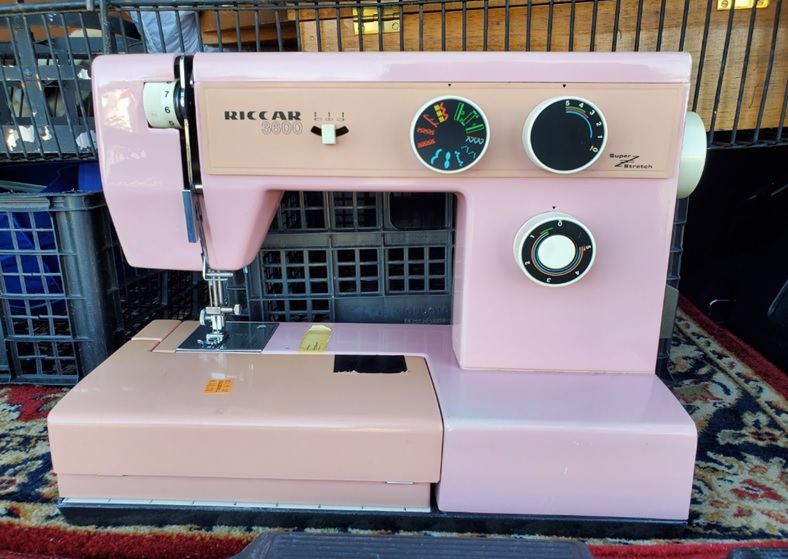
Nothing feels quite like sewing on a Riccar machine that hums along just as well as it did decades ago. These machines were designed with longevity in mind. More than parts of the home, they are portals to generations of creativity. What’s more, sourcing parts for such a robust machine used to be a challenge.
Today join us as we review Vintage Singer’s Riccar sewing machine parts collection that provides both original and compatible components, keeping Riccar models alive and thriving. This article walks through why Riccar machines deserve to be maintained, how common issues are resolved with parts, a review of the Vintage Singer collection, guidance on choosing the right part, tips for upkeep, signs that repair might not cut it, and a set of frequently asked questions. If your Riccar is worth caring for, here is what you need to know.
Why Riccar Sewing Machines Are Worth Maintaining
Riccar machines are built like tanks with heart. Many owners have machines that were purchased forty years ago or more and continue to sew daily. In many ways Riccars capture the spirit of older machines designed for service rather than replacement. Machines built with metal internals, sturdy motors, and mechanical simplicity often outlast more modern plastic-encased designs.
There is an emotional connection, too. Some Riccar owners inherited their machines or kept them through life changes. The effort needed to maintain a Riccar becomes a labor of love. For many enthusiasts the idea of setting aside that sentimental piece just because modern parts are hard to find does not feel right. That is what makes the Vintage Singer collection so valuable. It helps Riccar owners preserve functionality with components that match the original build quality and design.
Most Common Riccar Sewing Machine Problems and Fixes
Riccar machines are solid but not invulnerable. Here are issues that tend to arise over time:
- Tension trouble. Whether lower or upper thread tension slips or acts inconsistent, replacements such as tension discs or springs often restore stitch consistency.
- Needle alignment problems. Needles wear down or shift, leading to skipped stitches or fabric damage.
- Bobbin jams and shuttle glitches. Buildup of lint or warped bobbin cases often cause thread snags.
- Belt wear or motor lag. Rubber belts degrade, slowing down performance or stalling the motor.
- Power cord or foot pedal faults. Loose connectors or aging cords can reduce power delivery.
Each of these problems can be addressed with the right replacement part. Vintage Singer offers tension components, needles, bobbin cases, motor belts, power cords, and foot controllers suited for numerous Riccar models. Some parts are original—marked “Vintage Original”—while others are high quality aftermarket replacements clearly labeled as new. Users report that installing compatible components often restores performance to near original levels.
Why Using the Right Replacement Parts Matters
Generic parts might fit loosely or disrupt Riccar’s timing and stitch quality. Incorrect components risk damage and poor sewing results. Vintage Singer’s collection provides parts matched to machine specs or built to vintage originals. Each “Vintage Original” piece was removed from an actual Riccar machine. That ensures dimension, fit and material authenticity. The new aftermarket components are chosen for quality, so performance is maintained.
Part replacement is an act of preservation. Accurate compatibility ensures Riccar’s internal mechanisms rotate, feed, and stitch as designed. Choosing proper parts protects your machine’s long-term health. If clarity of descriptions is important, Vintage Singer’s thorough listings, condition notes, and product photos help you understand what you’re buying. Scratching your head over compatibility or part condition is less likely when listings include tested electrical items and clear condition reviews.
Review of Vintage Singer’s Riccar Sewing Machine Parts Collection
Vintage Singer built its Riccar collection for people who value machines that were built to last. The collection includes:
- Vintage Original parts pulled straight from Riccar machines
- New aftermarket parts that are high quality and clearly labeled
- Categories include bobbin cases, bobbins, tension components, motor belts, foot controllers, power cords, light bulbs, gears, needle clamps, needle plates, needle threaders, timing belts, presser feet (low, high, super high shank, walking feed), thread tension springs, and serger loopers
Each item is inspected, cleaned, photographed, tested when possible (especially electrical parts), and clearly described.
Orders ship from a US-based facility within one to two business days and are carefully packed.
Navigation of the collection is straightforward. You can filter by category, condition, and model. That makes finding items like a needle clamp or motor belt easy. Standout parts include rare vintage original foot controllers or tension assemblies that are otherwise impossible to source. The condition notes often call out wear while still noting functionality. Users appreciate the dual approach: enough rare originals for authenticity, alongside new reliable options for everyday use.
In short, Vintage Singer’s Riccar parts selection feels like a thoughtful archive and workshop supply all at once. The clarity in listings, care in inspection, and range of parts create a resource no Riccar owner wants to be without.
How to Identify the Right Riccar Replacement Part
The first step is to locate your model number. It might appear on the plate or housing. Once you have it, use that to compare part listings. Many sites list parts per model; Vintage Singer’s filters help narrow this to Riccar-relevant items.
Next, assess what needs replacing. Limp performance may signal a belt issue. Interrupted stitches point toward tension or needle problems. Electrical failure often means foot pedal or cord issues.
When listings seem unclear, reach out to Vintage Singer with your model and part detail—they offer help if they come across a part that fits.
Checklist:
- Identify your Riccar model number
- Observe the symptom or visible wear
- Browse collection categories for matching components
- Review listing images and condition notes
- Contact support if unsure
That process helps prevent ordering a part that looks right but functions poorly. With clear listings and responsive support, you can match parts with confidence.
Tips for DIY Riccar Sewing Machine Maintenance
Routine care keeps your Riccar running well. These steps help maintain function:
- Clean regularly. Remove lint from feed dogs, bobbin area, tension discs, shuttle, and around the needle. Compressed air and soft brushes work well.
- Oil at recommended spots. Use fresh sewing machine oil, sparingly, on moving parts. Check manual or trusted guide for placement and prime locations.
- Replace needles often. A dull or bent needle can miss stitches. Match needle type and size to fabric weight.
- Check thread tension. Run scrap fabric; if stitches look loose or tight, investigate tension discs and springs.
- Install replacement parts carefully. Turn off and unplug before replacing belts, tensioners, or electrical components. Pay attention to alignment and connectors.
- Document maintenance. Keep a log of cleaning dates, lubricant used, parts replaced, and any notes on performance.
Practicing these habits delivers smoother sewing and extends part life. When combined with quality replacement parts, your Riccar can sew well for decades.
When It’s Time to Replace, Not Repair
Sometimes a quick fix is not enough. When belts start slipping despite tension adjustment, needle alignment fails to resolve skipped stitches, or electrical failure recurs even after repair, it is smarter to replace the part. Repeated temporary fixes may wear other parts or damage timing. A new foot controller or belt from Vintage Singer may restore performance and prevent bigger problems later.
Even machines that seem on their last thread can often outlast expectations with proper parts and care.
FAQs About Ricar Sewing Machine Parts:
Where can I find genuine Riccar sewing machine parts?
Vintage Singer’s collection includes parts marked “Vintage Original” removed from real Riccar machines, along with quality aftermarket components. It is a leading resource for Riccar owners.
Are Riccar sewing machine parts interchangeable across models?
Some parts such as belts, needles, or foot controllers may fit multiple Riccar models. Still, condition and fittings vary. Always compare your model number with listing details and photos before purchasing.
What is the best way to clean and maintain my Riccar sewing machine?
Remove lint from feed dogs, bobbin case, and tension discs. Use sewing machine oil sparingly on moving parts. Replace needles regularly and clean visibly oily or dirty surfaces. Keep a log. These habits combined with proper parts can keep your machine in service for years.
How do I know which part my Riccar sewing machine needs?
Match symptoms to components—belt issues cause slipping, tension trouble causes uneven stitches, electrical faults can involve power cords or foot pedals. Use your model number to search listings and consult detailed photos.
Is it worth repairing an older Riccar sewing machine?
Absolutely. Many Riccar machines are decades old and still reliable. When the right parts and care are applied they offer more durability than many modern machines.
Do Riccar replacement parts work on Japanese‑made models?
Riccar sewing machines were generally built with their own design standards. While some universal parts may fit, always check fit and specifications.
Can I replace a Riccar foot pedal myself?
Yes. First unplug the machine. Remove the old foot controller and safely connect a compatible replacement. Make sure polarities match and retain strain relief.
How often should I replace parts on a Riccar machine?
Needles should be replaced frequently—after each major project or every 8–10 hours of sewing. Belts, tension parts, or electrical goods as wear becomes visible or performance dips.
Is it safe to use third‑party parts on a Riccar sewing machine?
Only if they are designed for Riccar and match fit and function. Vintage Singer provides high quality aftermarket parts clearly labeled, so you know what you are buying.
 Lifestylez Blog