
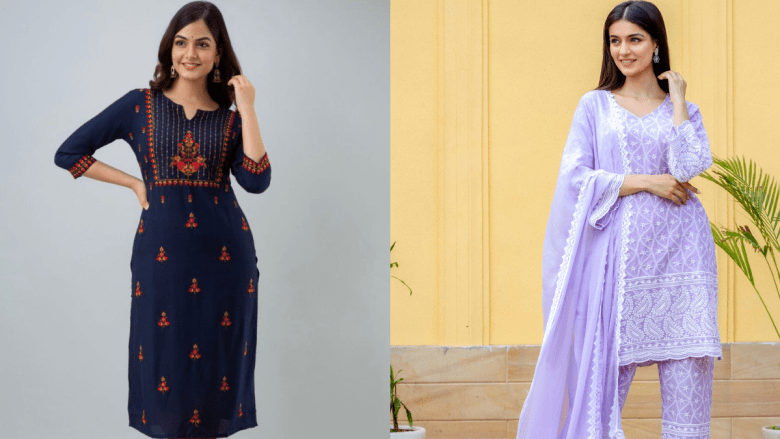
Are you looking to embrace a classic and traditional look for the upcoming events but feel unsure about what to choose? Many women naturally gravitate toward kurtas and kurtis for their unmatched comfort, versatility, and timeless appeal. These traditional garments not only enhance your style but also reflect cultural elegance, making them a popular choice for women of all age groups. With deep roots in South Asian fashion, kurtas and kurtis have become wardrobe staples for those who want to blend tradition with contemporary flair.
What makes these outfits so special is their adaptability to a variety of occasions, from casual gatherings to festive celebrations. However, while kurtas and kurtis share a similar heritage, they each have distinct features that make them unique. Understanding these differences can help you make the perfect choice based on your style, preferences, and the event you’re dressing for. Whether you want a sophisticated long kurta or a chic and playful kurti, knowing what sets them apart will empower you to showcase your personality effortlessly.
Curious about how kurtas and kurtis differ in terms of style, length, and occasion appropriateness? Let’s dive into the details below and unlock the secrets to elevating your ethnic wardrobe. With the right pieces, you can blend tradition with modernity and leave a lasting impression wherever you go.
Let’s get started!
Length and Fitting
The length and fitting of these two make a significant difference. Kurtas are an elegant and stylish choice, falling below the knee, while kurtis are below the knee length. Both are made from light fabrics such as cotton and silk. Kurtas are loose-fitting outfits and kurtis are fitted or semi-fitted and enhance the silhouette. It perfectly matches casual and traditional bottoms. It gives you a youthful and contemporary appearance.
The Neckline and Collar Style
Anyone can easily tell the difference between the kurta and kurti by seeing the neckline and collar style. Kurtas are typically designed with simple and elegant necklines such as round necks and v-necks. It offers a classic appeal that matches with any occasion. The neckline and collar style have a significant impact on the overall kurta style, while the intricate embroidery emphasizes its cultural significance.
Kurtis, on the other hand, have a larger selection of necklines that are more in line with current fashion. Some popular styles include boatneck, keyhole, and off-the-shoulder, which provide a distinctive and contemporary look.
Fabric and Material
The type of fabric and material used in attire also make a difference. Kurtas are typically made of cotton, chiffon, or silk, all of which are suitable for hot weather. Kurtas are also worn during the winter season and are made of wool and khadi silk, which keep you warm in the cold. Kurtis, on the other hand, are made of georgette and rayon materials, which give them a light, flowing, and modern appearance.
Sleeve Patterns
The style of sleeve also defines the difference between kurta and kurtis. Kurtas are typically designed with long sleeves that reach the wrist. However, some kurtas come with short sleeves that are appropriate for different climates. Whereas the kurtis offer multiple sleeve variations to match modern fashion trends. Kurtis with cap sleeves, three-quarter sleeves, and sleeveless designs are undeniably popular and are essential for a variety of occasions.
Final Thoughts
We hope this blog clarifies the differences and similarities between kurta and kurti. Both offer an elegant and comfy look. Kurtas are an excellent choice for any occasion, seamlessly transitioning from formal events to casual outings. Where Kurtis offers you a modern look and is also good for casual to formal events. They differ from each other in terms of length, fit, and styling. Choose your style and enjoy the timeless look.
 Lifestylez Blog