
Silk, with its delicate texture and stunning luster, has captivated cultures around the world for thousands of years. From the grand palaces of ancient China to the fashion runways of Paris, silk has remained a symbol of luxury, elegance, and craftsmanship. However, while silk garments exude beauty and sophistication, they require special care to maintain their allure. Whether you’re wearing a silk blouse, dress, or scarf, knowing how to properly care for and wash silk is essential to preserving its delicate fibers. In this article, we will explore the fascinating history of silk and provide practical advice on how to properly wash silk and ensure it lasts for generations.
The History of Silk: From Ancient China to Modern Times
The origins of silk trace back to ancient China, where the art of sericulture—raising silkworms to produce silk—was developed around 3000 BCE. According to legend, Empress Xi Ling Shi discovered silk when a silkworm cocoon fell into her tea, revealing the thread that could be spun into fabric. While the legend may be embellished, the fact remains that China was the birthplace of silk, and the process of harvesting and weaving silk was closely guarded for thousands of years.
For centuries, silk was a luxury reserved for the elite, and it played a pivotal role in the Silk Road, the ancient trade route that connected East and West. As demand for silk grew, it spread to Persia, India, and eventually the Roman Empire, where it became a highly coveted commodity. Silk garments were symbols of wealth, status, and refinement, often worn by royalty, aristocrats, and religious leaders.
By the time silk reached Europe during the Middle Ages and Renaissance, it had cemented its status as a symbol of opulence. Italy, France, and Spain became key players in the silk industry, and the fabric was used to make everything from elaborate gowns to fine tapestries. Even today, silk continues to be synonymous with luxury, appearing in haute couture collections, fine bedding, and high-end accessories.
Why Silk Requires Special Care
While silk has stood the test of time, its delicate nature requires careful handling to maintain its unique properties. Silk fibers are much finer and more fragile than cotton or polyester, making them more susceptible to damage from harsh chemicals, high temperatures, and rough handling. Silk’s natural shine and smooth texture can easily be compromised by improper care, and frequent washing can cause the fabric to lose its luster or even weaken over time.
In particular, washing silk requires attention to detail. Unlike sturdier fabrics, silk can shrink, fade, or become misshapen if washed incorrectly. The fibers can also break down if exposed to excessive agitation, heat, or strong detergents. Fortunately, with the right knowledge and techniques, you can keep your silk garments looking as beautiful as the day you bought them.
How to Properly Wash Silk Garments
Whether you have a cherished silk blouse or a luxurious silk evening gown, it’s important to treat your garments with care when it comes to washing. Here are the best practices for properly washing silk:
1. Always Check the Care Label
Before you do anything, always check the care label on your silk garment. Some silks are machine washable, while others may require dry cleaning. While hand washing is usually the safest option, many modern silk garments are designed to withstand gentle machine washing. Following the care label’s instructions ensures that you’re not accidentally causing damage to the fabric.
2. Hand Washing Silk
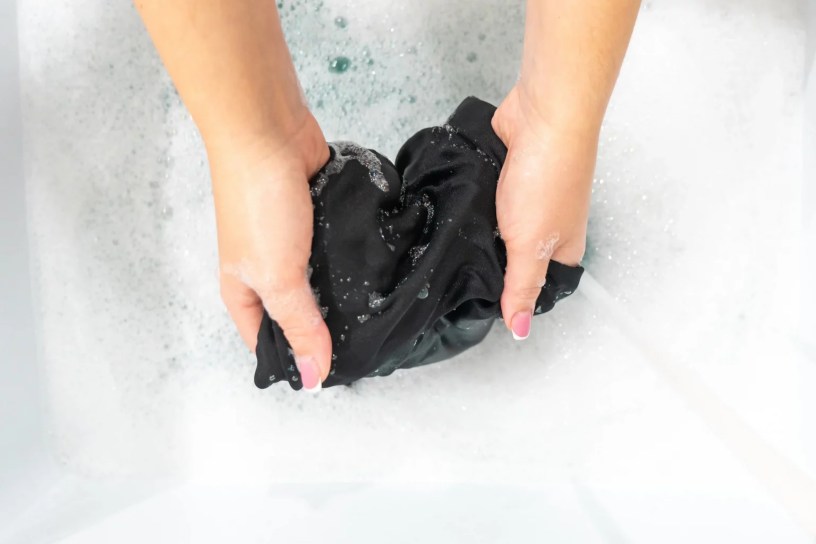
The safest and gentlest way to wash silk is by hand. Here’s how to do it:
- Fill a Basin with Cool Water: Always use cool or lukewarm water (never hot) when washing silk. Hot water can cause the fabric to shrink or lose its color.
- Use a Mild Detergent: Choose a mild, liquid detergent that’s specifically formulated for delicate fabrics. Avoid harsh chemicals or bleach, as they can strip the silk of its natural sheen.
- Gently Agitate the Water: Place the silk garment into the water and gently swirl it around. Avoid scrubbing, twisting, or wringing the fabric, as this can damage the fibers. Let the garment soak for a few minutes, then gently rinse it with cool water.
- Rinse Thoroughly: It’s important to rinse the garment thoroughly to remove all detergent. Any leftover soap residue can cause the fabric to stiffen or discolor.
3. Machine Washing Silk
If the care label indicates that the silk garment is machine washable, take the following precautions:
- Use a Mesh Laundry Bag: To protect your silk from the wear and tear of the machine, place it inside a mesh laundry bag. This helps reduce friction and prevents the fabric from snagging on other items in the wash.
- Set the Machine to a Delicate Cycle: Always choose a gentle or delicate cycle on your washing machine. This cycle uses slower speeds to minimize agitation and prevent damage to the fibers.
- Use a Mild Detergent: As with hand washing, always use a detergent designed for delicates. Avoid fabric softeners, as they can leave a residue on the fabric.
- Wash with Similar Colors: Wash silk garments with similar colors to prevent bleeding or discoloration.
4. Drying Silk Properly
After washing silk, it’s crucial to dry it properly to avoid any damage. Never wring or twist silk, as this can distort its shape and weaken the fibers. Here’s the proper way to dry silk:
- Press Out Excess Water: After washing, gently press the water out of the garment using a clean, dry towel. Do not wring the fabric, as this can cause it to lose its shape.
- Air Dry Flat: Lay the silk garment flat on a towel to dry. Avoid hanging silk, as it can stretch out the fibers and cause the fabric to lose its shape. Never dry silk in direct sunlight, as UV rays can cause the fabric to fade.
- Avoid Heat Sources: Never use a tumble dryer or expose silk to direct heat, as this can cause the fabric to shrink or burn.
5. Ironing Silk
Silk can wrinkle easily, but ironing it requires caution. Always iron silk while it is slightly damp, and use the lowest heat setting on your iron. Place a cloth between the iron and the silk to protect the fabric from direct heat. Alternatively, you can use a steamer to gently remove wrinkles without risking damage to the delicate fabric.
Long-Term Care and Storage Tips for Silk
To ensure that your silk garments stay beautiful for years to come, proper storage is essential. Store silk garments in a cool, dry place away from direct sunlight to prevent fading. Avoid hanging silk garments in areas with high humidity, as this can weaken the fibers over time.
For longer garments like dresses or suits, use padded hangers to prevent creases. For smaller items like scarves or blouses, consider folding them carefully and placing them in a breathable garment bag to protect them from dust and light.
Conclusion
Silk is a fabric that has stood the test of time, revered for its beauty, versatility, and timeless elegance. From ancient China to modern-day fashion, silk has played an important role in shaping cultures and trends. However, to preserve the luxurious qualities of silk, it requires proper care, especially when it comes to washing silk. By following the right techniques for hand washing, machine washing, and drying silk, you can keep your silk garments looking as stunning as the day they were made. With the right care, silk can continue to be a symbol of luxury in your wardrobe for years to come.
 Lifestylez Blog